
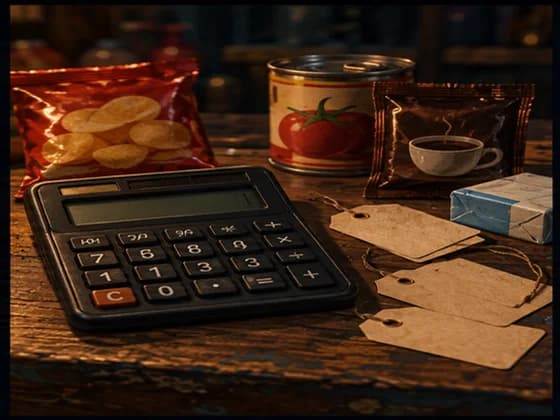
The shop work in Narinig Mo Ba is deliberately simple: listen, choose, check, and hand the order over. What makes an early shift feel awkward is not the number of inputs, but trying to do each step before the game is ready for it. Give yourself a moment to see what is selected before making the next move.
Use a desktop browser and mouse when you can. Click once inside the game window before the first customer so it has focus. The interface may change as the game is updated, so an in-game prompt always takes priority over a guide written for an earlier build.
Set up for a calm first order
Keep the game window large enough to read its prompts without squinting. Turn the sound on if possible: dialogue and ambient changes are part of the rhythm, and muting them can make it easier to click through a transition too quickly. You do not need to memorize the whole store on the first visit. Learn one shelf, one item, and one interaction at a time.
The controls you'll use most
Work with one item at a time
Most early mistakes happen when an item is picked up before the order is fully understood. Listen to the request, note the item and quantity, then select the product. If it is wrong, return it before looking for a replacement. This keeps the counter readable and makes a correction feel routine rather than stressful.
There is no advantage in collecting several possible products at once. A cleaner approach is to finish one request in sequence: identify the product, choose it, confirm its price, and only then move toward payment. If two packages look alike, stop at the shelf and compare the requested type rather than relying on colour or the first word you remember.
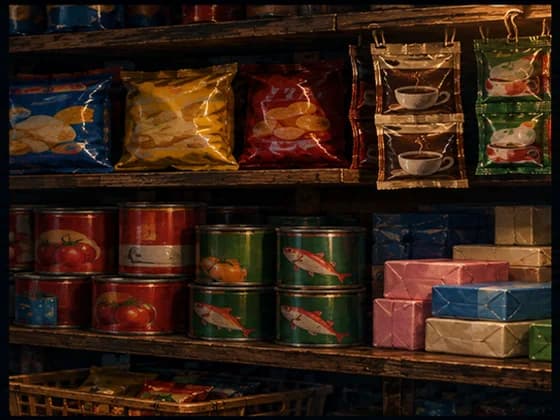
Use the same order routine each time
- Let the request finish.Take in the item and quantity before leaving the counter. The dialogue is not just decoration; it is the clearest record of what the customer asked for.
- Choose one product.Move to the relevant shelf, select the closest match, and check that it is the item you meant to take.
- Confirm the value.Use the price check before doing the arithmetic. It is quicker to verify once than to rebuild a transaction after the payment is in hand.
- Finish before the next action.Wait for the handover or dialogue change to complete. Repeated clicks during a transition are more likely to confuse the sequence than speed it up.
Check the price before you count
Price checking is useful whenever you are not certain of a product's value. Check each selected item first, add those prices into one order total, then subtract that total from what the customer paid. Treat the money handed to you as payment, not as the change you need to give back.
A useful mental check is to ask whether the answer is sensible before you hand it over. When the payment is only a little higher than the total, the change should also be small. When the payment is much higher, take a second look at both the total and the note or coins you were given. This catches many rushed mistakes without turning the moment into a math test.
The routine is part of the story
The store loop is not separate from the plot. Each completed order keeps you behind the counter long enough to hear the neighborhood speak around you. Familiar names, money worries, and strained relationships return in different conversations. Do not treat that dialogue as filler: it is how the game lets you assemble the larger situation while you are busy doing ordinary work.
Later, the same careful pace helps the tonal shift land. A customer can still be asking for something small while the sound, wording, or atmosphere tells you the night is no longer ordinary. Finish the transaction, then take in the change around it. The story does not ask you to solve a separate puzzle; it asks you to notice how much the routine has changed.
When an input feels stuck
First, wait for dialogue or a scene change to finish. Then click once inside the player and try the action shown on screen. If a selected item will not behave as expected, return it, give the interface a moment to settle, and repeat the current stage rather than continuing with a half-finished order. Refreshing the page is a last resort, not the first fix.
Keep the rhythm, not the speed. A short pause to check the selected item or the change is part of playing well. Narinig Mo Ba is more rewarding when the routine feels deliberate.