Narinig Mo BaListen past the counter

The people at the counter

Narinig Mo Ba Characters — People Behind the Counter

Meet the people who visit the store, what players learn from their conversations, and how their stories connect by the end.

Who comes to the counter

Names That Matter During the Shift

This page focuses on the people players actually meet during the shift, not an invented roster. Each card explains what that visit adds to the night and what becomes important later.

Portraits are guide illustrations, not game art or screenshots.

Guide illustration of a young customer outside a sari-sari store01

Young customer

Junjun

A young visitor whose ordinary trip to the counter becomes one of the story's most emotionally important threads.

At the counter

Junjun comes to the store for a small purchase, keeping the early shift rooted in everyday neighborhood life. His visit is easy to miss at first, which makes the later change in tone hit harder.

What changes later

This guide reads Junjun as central to the tragedy suggested near the ending. The game lets players connect details through dialogue rather than spelling out every part of his story.

Guide illustration of a neighborhood regular sharing gossip at a store window02

Neighborhood regular

Mare

A familiar regular whose gossip makes the store feel social before the same conversations begin to feel unsettling.

At the counter

Mare represents the neighborhood conversation at the heart of Narinig Mo Ba. She arrives as someone familiar, speaks with the ease of a regular customer, and helps turn the counter into a place where private events become public rumor.

What changes later

This guide reads Mare as central to the final shift in tone. Her closing appearance is one of the game's sharpest breaks from the warmth of an ordinary store visit.

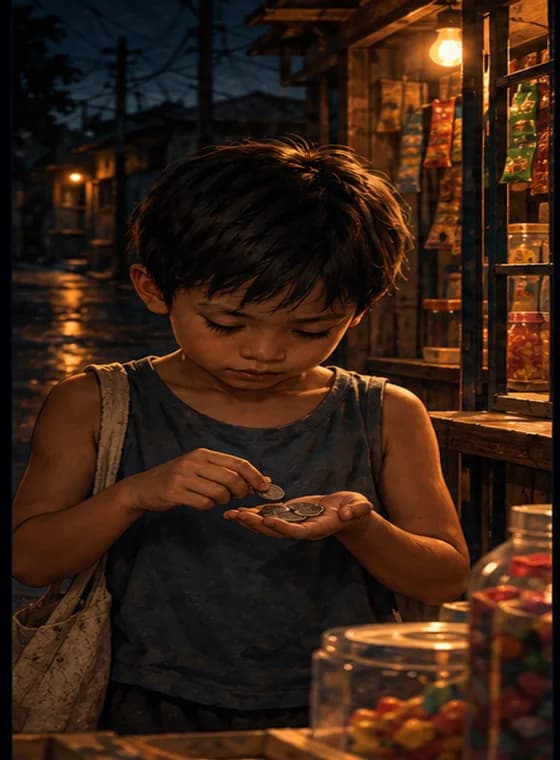
Guide illustration of a child counting coins at a neighborhood store03

Young customer

Axel

A younger customer remembered for bringing pocket change to the counter for a small purchase.

At the counter

Axel is one of the children who visits the store. His small exchange of coins and goods makes the shop feel like a real community space rather than a puzzle room.

What changes later

Axel's scene contributes texture and contrast. Not every customer delivers a major revelation; ordinary visits make the later horror more effective by establishing what a normal evening should feel like.

Guide illustration of a reserved customer holding a paper-wrapped purchase04

Customer

Layla

A customer whose practical request adds another everyday voice to the neighborhood's shared story.

At the counter

Layla is another customer at the store. Her practical request shows how naturally personal necessities sit beside snacks and coffee in a sari-sari store.

What changes later

Like the other regular visitors, Layla helps create the familiar baseline that the game later disrupts.

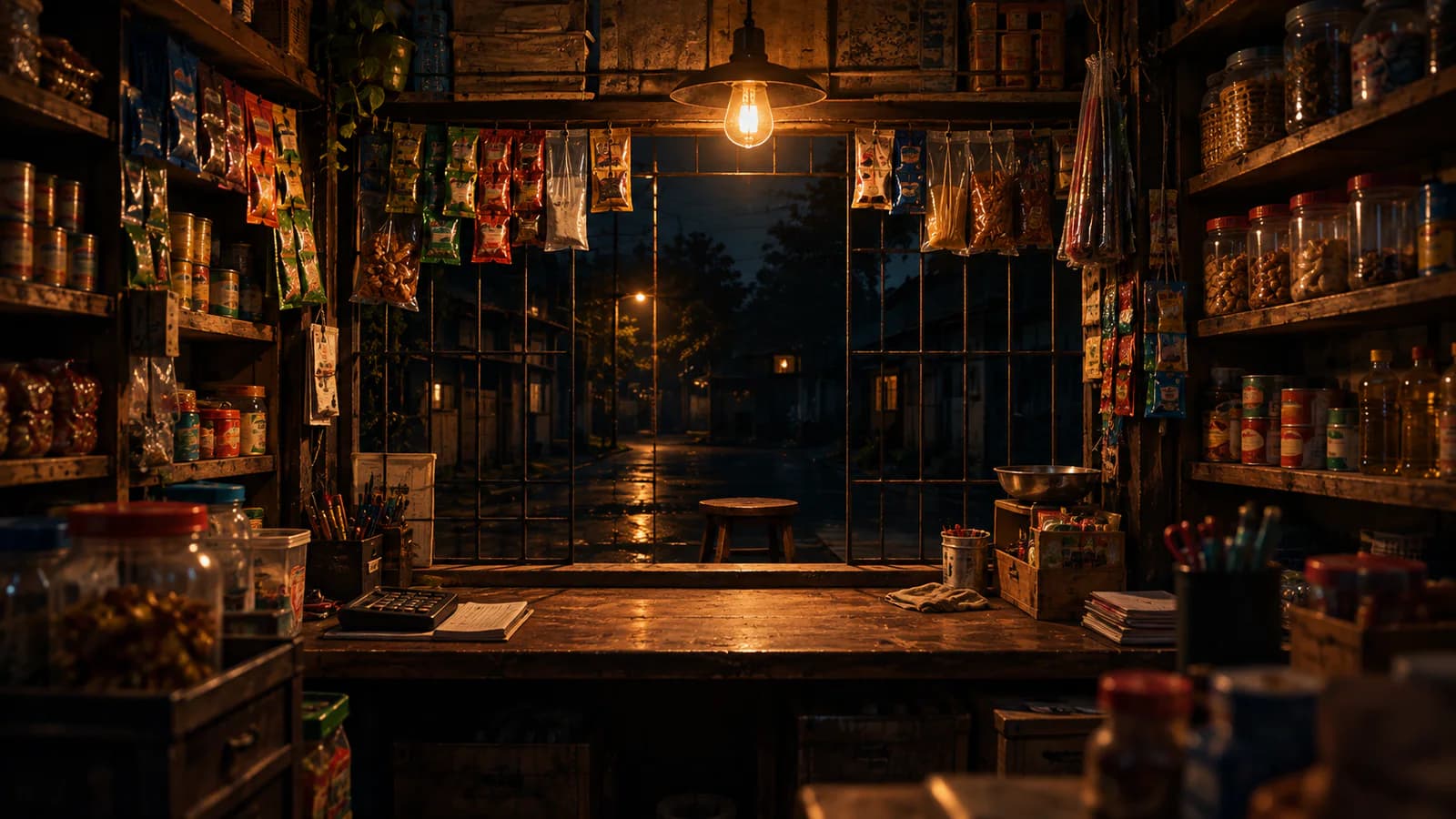
Guide illustration of the storekeeper's view from behind the counter05

Player viewpoint

The Storekeeper

The unnamed observer who serves the neighborhood and hears every fragment from behind the grille.

At the counter

You play the store owner. The counter keeps this character at the center of every conversation while the events outside remain just out of reach.

What changes later

The storekeeper turns listening into player responsibility: how much can someone hear before remaining behind the counter becomes a choice?

Character relationships

Everyone Passes the Same Counter

The storekeeper connects the cast. The stronger story connections emerge through what each visitor says about someone who is not present.

The Storekeeperlistens and responds
JunjunYoung customer
MareNeighborhood regular
AxelYoung customer
LaylaCustomer
A dark Filipino neighborhood lane connecting the people in the story

Characters and the story

How the Characters Connect

Narinig Mo Ba? does not introduce its cast through formal biographies. It introduces them through purchases. A small order establishes age, money, habit, and familiarity before the conversation reveals anything that looks like plot. That structure makes the people feel like neighbors first and narrative evidence second.

Junjun gives the game's tragedy a human center. Mare supplies the social current of gossip and becomes inseparable from the final change in tone. Axel and Layla help establish the store as an ordinary place used by children and adults for ordinary needs. The unnamed storekeeper receives all of these visits but never sees the entire neighborhood at once.

The result is a story about partial knowledge. Each character knows something, assumes something, or repeats something. The player's job is not simply to decide who is reliable; it is to notice how many fragments can circulate through a community before someone recognizes an emergency.

Read the full story